My Take
I hold the key. Let’s start there, because everything else follows from it.
Chastity feminisation is what happens when denial meets transformation, and if you’re drawn to both — if the idea of being locked and then dressed makes something in your brain short-circuit — this genre will take you apart. Slowly. Over days. While she makes dinner and watches television and occasionally glances at you with a look that says she knows exactly what’s happening inside that cage and she’s in no hurry to do anything about it.
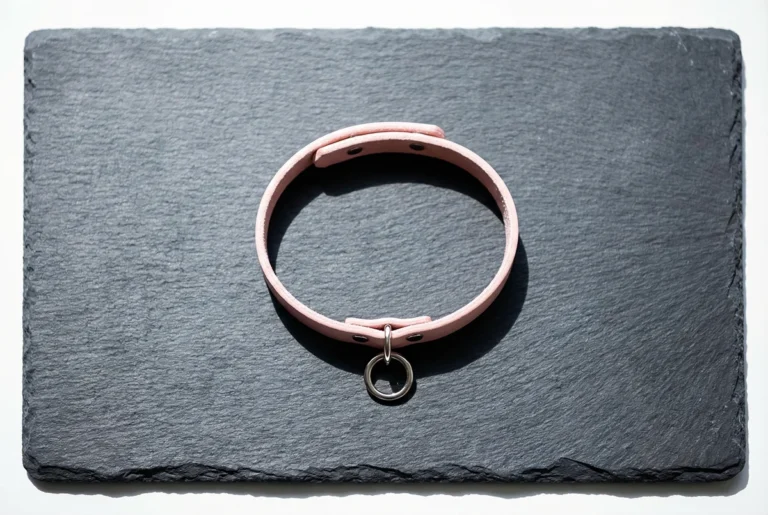
The device is the entry point. Locked. Denied. Something fundamental removed from your control. But the device isn’t the story. The story is what happens to your body because of the device. The way your focus shifts. The way your skin starts registering stimuli it used to ignore. The way feminisation, which you might have resisted in any other circumstance, starts to feel like the only kind of pleasure still available to you. The cage closes one door. The clothes open another. And your body, desperate and denied and rewired by days of wanting without release, walks through it.
How Denial Changes Everything
Here’s what happens, and every reader of this genre knows it in their body before they know it in their head: when one avenue of release is closed, the body finds others. It doesn’t choose to. It just does. The weight of satin against your skin starts registering differently. Not as fabric. As sensation. The act of being dressed, of having her choose what you wear and how you wear it, becomes charged in a way it wasn’t before the lock clicked shut.
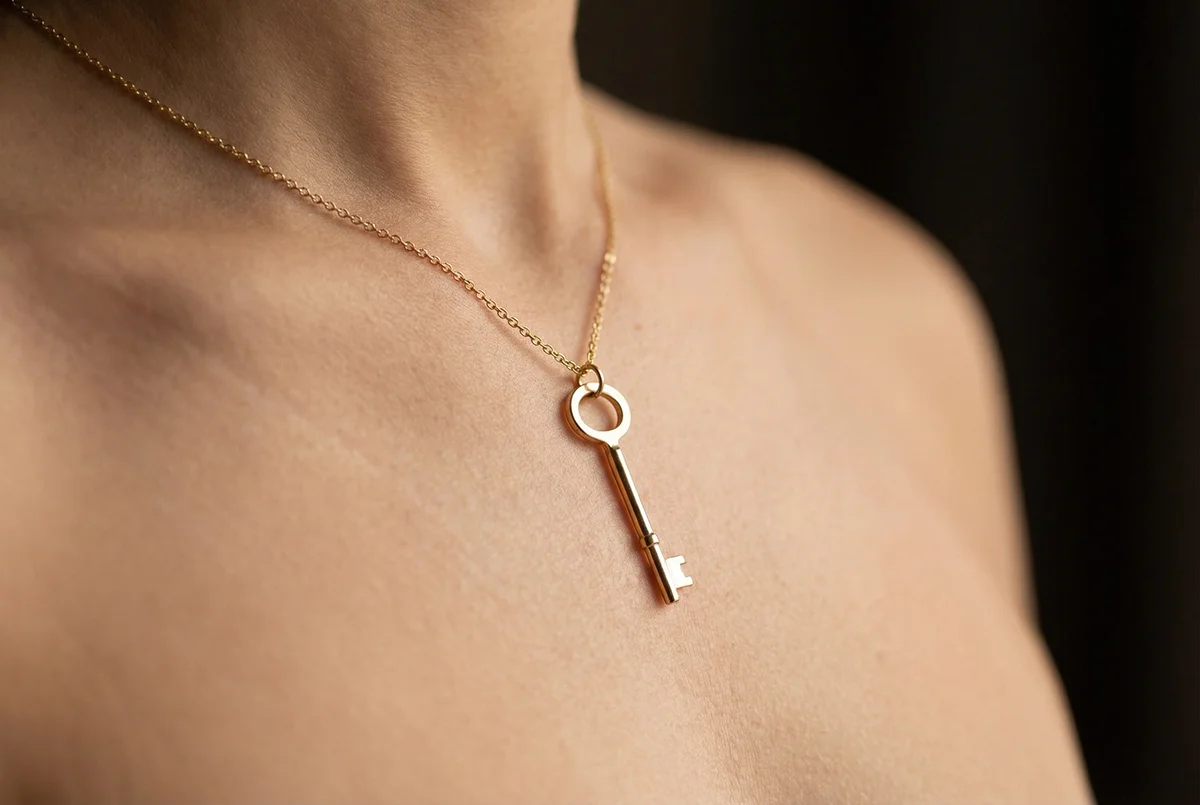
Your nerve endings have been turned up to full because the one thing that would turn them back down has been locked in a cage that she carries on a chain around her neck, resting between her breasts where you can see it when she leans forward, which she does more often than she used to, and you’re fairly certain that’s deliberate.
The cage makes the feminisation inevitable. Not because she forces it — although she might — but because your body cooperates. You lean into the softness because softness is all you have left. The stockings feel like more than stockings. Her hand on your waist while she zips the dress feels like more than assistance. Every touch that isn’t that touch becomes amplified until you’re vibrating at a frequency you didn’t know you had, and she knows exactly what she’s doing. She’s known since day one. She planned this the way other women plan holidays.
By day three, the brush of lace against your nipples makes your breath hitch and your cage press tight. By day seven, she can make you whimper by running a fingertip along the waistband of your knickers. By day fourteen, the feminisation isn’t something she’s doing to you. It’s something you’re begging for, because every layer of silk and lace is a layer of sensation your starving body converts into something that almost, almost feels like the thing you can’t have, and almost is enough to keep you alive and not enough to let you rest.
The key is the relationship made physical. It’s not a metaphor. It’s a small piece of metal that determines when and whether you get to feel what you’re desperate to feel, and she wears it where you can see it, and every time it catches the light your whole body clenches. That’s the dynamic, right there, in a piece of jewellery she chose to match her outfit.
The Stages
Good chastity feminisation follows a curve that the reader’s body tracks even when their mind is trying to keep up.
First: the resistance. The cage is uncomfortable. The feminisation is unwelcome. You’re counting days, planning negotiations, thinking about this as a temporary situation with an end date. Your mind is still in charge. You’re tolerating this. Your erections strain against the cage at night and you lie awake at three a.m. aware of the weight of it in a way that makes sleep impossible and the idea of sleep irrelevant.
Then: the shift. You stop counting days. The discomfort becomes background noise. The feminisation starts to feel less like punishment and more like something your body has been craving without telling you. You notice you’ve stopped pulling at the cage. You notice the dress feels different on day fourteen than it did on day one. You notice that when she calls you the name, your body responds before your mind can object. Something has changed and you can’t pinpoint when it happened, but the evidence is in the wet spot on the front of your knickers that wasn’t there this morning.
Then: the surrender. Not dramatic. Not a single moment. Just the slow, undeniable realisation that the locked version of you and the dressed version of you have become the same person, and that person wants things the old you would not have recognised as desire. The cage isn’t the obstacle anymore. The cage is the architecture. Everything you’re feeling — the arousal that has no outlet, the sensitivity that turns every touch into something devastating, the need that lives in your skin now instead of between your legs — is built on the foundation of what you’re not allowed to feel, and that foundation is solid, and she laid every brick.
What Ruins It
Treating the cage as a gimmick. If the chastity is just there for a scene and then forgotten, you’ve wasted the most powerful tool in this genre’s arsenal. The cage has to be present. In the protagonist’s awareness, in the way he moves, in the way he sits down carefully, in the constant low-level hum of denial that colours every interaction. He adjusts his sitting position. He winces at unexpected pressure. He lies awake aware of it in a way that crowds out every other thought. If the reader forgets he’s caged, the author has failed.
The other mistake is rushing to release. The genre’s power is in the sustained denial. The longer the cage stays on, the more the feminisation transforms from something done to him into something he needs. A quick lock-and-unlock cycle is a parlour trick. Weeks, months, the slow erosion of the person he was before the key turned — that’s the story. And when release finally comes — if it comes — it should feel seismic, earned, and tangled up with everything the cage made him become while it was on.
Reader Appeal
You’re here because you understand that wanting without having is its own kind of intensity. That denial isn’t the absence of pleasure. It’s pleasure redirected, transformed, made to live in places it never lived before. The cage doesn’t take sensation away. It moves it. Into your skin. Into the fabric. Into the space between her hand and your body that she controls with the precision of someone who has been thinking about this much longer than you have.
You want to feel what it’s like when the body gives up fighting the lock and starts collaborating with it. When the silk and the denial and the weight of her authority converge into something that makes your vision blur and your knees weak and your cage so tight it aches with every heartbeat. You want the slow, devastating education of a body learning to feel pleasure through everything except the one way it was designed for.
I have the key. You’re not getting it back until I’ve finished with you. Keep reading.