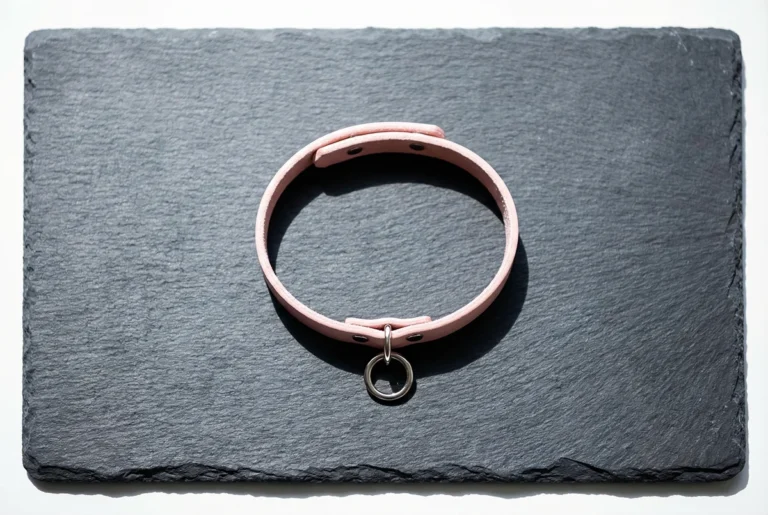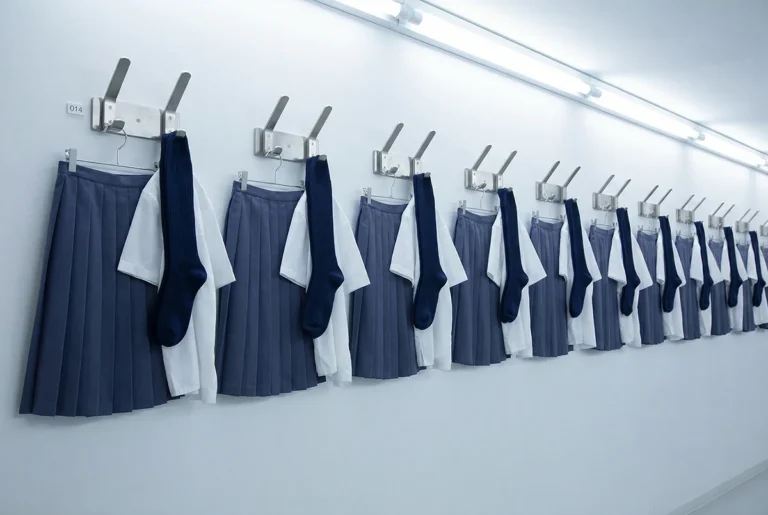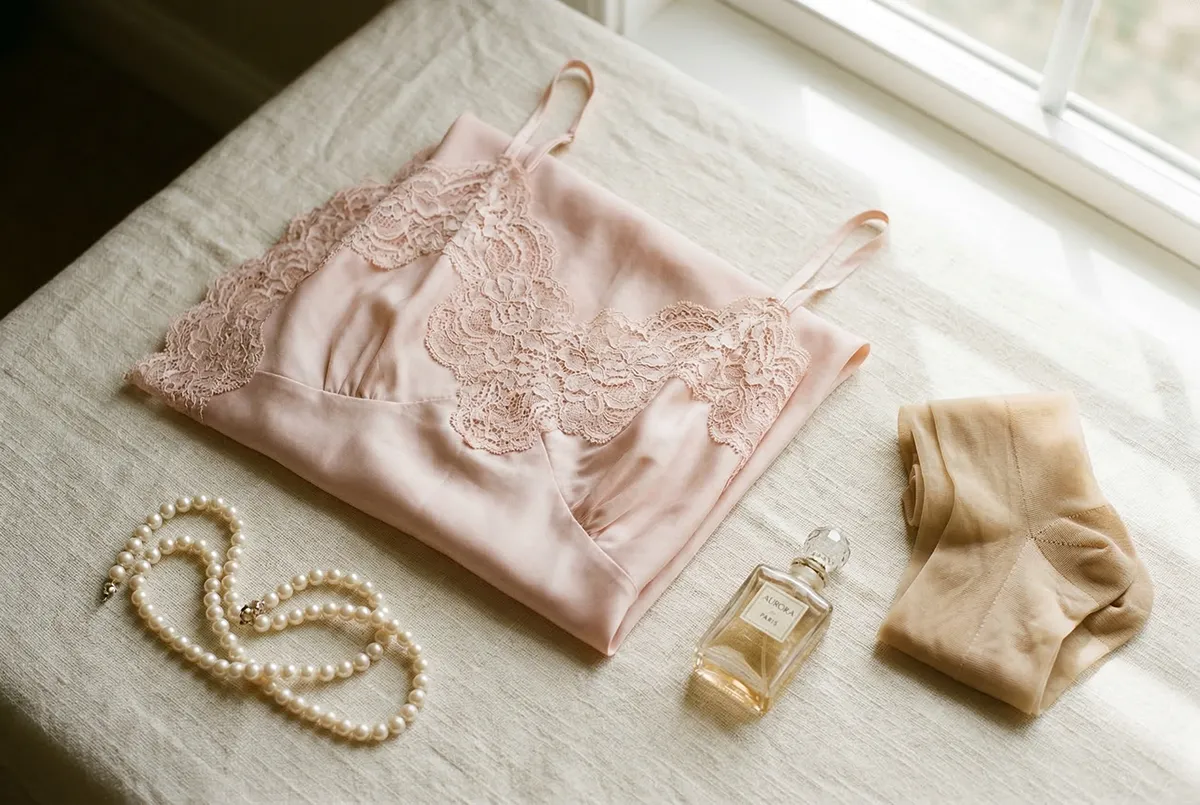
The most carefully written scene in any feminisation story is almost never the sex scene. It’s the dressing scene.
The moment where the protagonist steps into women’s clothing for the first time, or the tenth time, or the hundredth, is where these stories do their real emotional and sexual work. It’s where resistance lives, where sensory detail matters most, and where the transformation stops being abstract and becomes something the character (and the reader) can feel against their skin. But here’s what really compels me about these scenes: the clothing isn’t neutral. It’s foreplay. It’s the ritual that prepares him, his body, his mind, his sexuality, for the ultimate escalation. The stockings, the underwear, the dress, they’re each a step toward positioning him as the female partner. They’re transforming not just how he looks, but what role he’s about to occupy in the sexual landscape of the story.
The Ritual, Not the Outfit
What separates a good dressing scene from a forgettable one is the difference between cataloguing an outfit and rendering a ritual. The weak version reads like a shopping list: “He put on the bra, then the stockings, then the dress.” The strong version, the one I find myself reading and rereading, understands that every garment is a negotiation. Between the character and the clothing. Between who they were and who they’re becoming. Between what they want to feel and what they’re afraid of feeling. And crucially, between his resistance and her will.
The best authors in the genre treat the dressing scene as a sequence of small emotional and sexual events. The clasp of a bra isn’t just unfamiliar, it’s a moment where she gets to decide what he’s becoming. The slide of stockings is a moment of unexpected sensation, yes, but also a moment where she watches him react, controls his body’s response. The weight of a skirt is a moment of awareness, suddenly conscious of the air, the movement, the way fabric responds to a body differently than anything he’s worn before. Each garment is a threshold, and she’s the one standing on the other side, deciding whether to let him through.
What I find particularly compelling, what stays with me, is the pleasure the woman experiences in this act of transformation. She’s not just assisting his feminisation. She’s orchestrating it. She’s choosing the stockings, selecting the shade of the bra, deciding how much lace, how much constraint, how far this goes. She watches the moment he realises what the clothing is preparing him for. That power is extraordinary to read about.
Lilly Lustwood is particularly good at capturing this mutual power dynamic. In Cheerleader by Chance, the cheerleading uniform isn’t just a costume, it’s an entire sensory and sexual environment. The tightness of the shell top that restricts his breathing, the swing of the skirt during routines that exposes him, the way the uniform demands a different kind of physicality that positions his body as receptive. Lustwood uses the uniform to externalise both his internal shift and the woman’s growing awareness of what he’s becoming. You can track exactly where they are in the feminisation arc by how they describe what he’s wearing, and by what she’s feeling as she watches him wear it.
Why Sensory Detail Is the Whole Game
I find feminisation fiction lives or dies on sensory specificity, but not just for the sake of texture. The sensory details are the vehicle through which we experience the sexual transformation. A reader doesn’t need to be told that wearing a dress feels different, they need to be shown how it feels different, and crucially, what that difference enables.
The cool slide of satin against newly shaved legs. The constraint of a corset that changes how he breathes, that positions his body in a shape not his own. The unfamiliar click of heels on a hard floor, and the way it changes his posture, his gait, his relationship to his own body, making it available in ways it wasn’t before. The way stockings cling to his thighs, reminding him with every movement that he’s not wearing what he used to wear, that he’s not the person he was.
This isn’t decorative writing. It’s the architecture of the sexual transformation. The sensory detail is doing essential work: it’s making the feminisation real, making it felt, making it the kind of thing that can’t be undone once experienced. When a protagonist notices the whisper of a silk lining against his thigh for the first time, it’s alien and thrilling. When he notices it for the twentieth time, it’s become part of how his body understands itself. The reader tracks that shift through specific physical details, and that accumulation is the story’s sexual and emotional arc.
Lucy Luxe understands this instinctively. In Locked In Femininity, the clothing doesn’t just appear, it arrives with texture, weight, and consequence. Each new garment in his expanding wardrobe represents another step in a transformation he didn’t ask for but is increasingly unable to resist. But it also represents another layer of her control, another expression of her power over his body and his sexuality. The clothes become a map of where he’s been and where he’s going, and she’s the cartographer.
The Mirror Moment
Almost every dressing scene culminates in the same beat: the mirror. The protagonist, now dressed, catches their reflection and has to reconcile what they see with who they believe themselves to be.
This is the most sexually charged moment in the entire genre, I think. It’s where the internal and external collide, but it’s also where the sexual reality of his new position becomes unavoidable. The mirror shows him someone who isn’t going to be treated the way he was before. Someone who’s been positioned as the woman in the interaction. The ambiguity in his reaction, is it horror or excitement?, is the engine of the whole scene.
But I’m equally interested in what the mirror moment reveals to her. She’s standing there watching him look at himself, watching the moment comprehension dawns. That he’s no longer who he was. That the clothing has done its work. That he’s ready now. She can see it in his expression, in the way his body responds to what he’s seeing. She’s created this moment. She orchestrated every choice that led to this reflection. And she’s about to use it.
The mirror moment also functions as a checkpoint in the story’s arc. Early in a feminisation narrative, the mirror provokes denial or distress. In the middle, it provokes confusion, the reflection is becoming less alien, more familiar, more desirable. Near the end, it provokes something closer to recognition, acceptance, and arousal. The same gesture (looking in a mirror) carries completely different sexual weight depending on where in the story it occurs, and the best authors use this progression deliberately.
Clothing as Permission, and Prelude
Here’s what the clothing ritual is really about, underneath the sensory detail and the mirror moments: it’s permission and preparation.
Clothing in feminisation fiction functions as a structure through which the character can experience something he’s not ready to choose directly, but more than that, it’s the ritual through which she prepares him for something more. “I’m only wearing this because she told me to” makes it possible for him to inhabit a feminine identity and body in ways he otherwise couldn’t. But the clothing also serves a sexual purpose: it’s preparing him. Each garment is getting him ready for the moment when he moves from looking feminine to being positioned as the woman in a sexual act.
This is why the dressing scene is so often the true centre of these stories. It’s not about the clothes. It’s about what the clothes make possible, a version of the self that he couldn’t access any other way. A version that’s vulnerable, that’s available, that’s prepared to receive. The silk doesn’t just feel different against his skin. It makes him feel different inside his skin. And that feeling, once experienced, that sexual vulnerability, that readiness, can’t be entirely unfelt. It’s the bridge between transformation and the ultimate surrender.
For the woman, the dressing scene is where her power becomes tangible. It’s where she gets to decide who he becomes. It’s where she watches the exact moment he realises what role he’s being prepared for. That power, that ability to transform him and position him, that’s what I find most compelling about these scenes. The best authors understand this and write their clothing scenes accordingly, giving as much attention to her pleasure in the transformation as to his experience of it.
What Readers Actually Respond To
When I read the reviews for the best-selling feminisation titles, the moments readers quote back most often aren’t the climactic scenes or the plot twists. They’re the clothing moments. The first time in heels and what it revealed about how the body moves. The unexpected comfort of a particular fabric, and what that comfort meant about acceptance. The morning after, when the character reaches for the women’s clothing instead of the old clothes and doesn’t notice he’s made a choice, or does notice, and feels the weight of that choice.
These are the moments that stick because they’re specific, sensory, and psychologically true. They give the reader something to inhabit, not just a scene to watch but an experience to feel. They make the sexual and emotional transformation real in a way that plot summary never could. And that embodied quality is what makes feminisation fiction, at its best, something more than just erotica or transformation fantasy. It’s fiction that takes the relationship between clothing, identity, sexuality, and power seriously, and discovers that the relationship is more complicated, and more revealing, than anyone expected.
Books That Get the Clothing Ritual Right
I keep coming back to these titles because the dressing scenes aren’t decoration, they’re where the real work of feminisation happens:
- Cheerleader by Chance by Lilly Lustwood, 192 pages. The best clothing-as-transformation writing in the genre.
- Locked In Femininity by Lucy Luxe, 131 reviews. Every new garment carries emotional and sexual weight.
- Subordinate Secretary by Dolly Darling, Workplace feminisation where each day’s outfit pushes the boundary.
- The Accidental Supermodel by Lucy Luxe, 169 reviews. Fashion-world setting with runway stakes.
- Only a Costume by Kenzie McKay, A costume that won’t come off. Clothing-as-identity baked into the DNA.
For the full reading list, see my Best Reluctant & Gradual Feminisation Books on Kindle guide.
Reading on Kindle Unlimited?
Most of the books on my recommendation list are available on Kindle Unlimited. If you’re exploring the genre for the first time, KU is the most cost-effective way to sample widely.
Start Your Free Kindle Unlimited Trial →
You’ll get 30 days free. I earn a small commission if you sign up through my link.
More on SilkFiction
- Why Reluctant Feminisation Works, The psychology of the unwilling transformation
- Best Reluctant & Gradual Feminisation Books on Kindle, My full roundup guide
- The Complete Guide to Lilly Lustwood’s Books, Lustwood is a master of the clothing-as-transformation scene
- The Sissy Maid Trope, Explained, Where clothing ritual and domestic service intersect
SilkFiction is reader-supported. When you buy through links on this site, I may earn an affiliate commission.